おすすめの Google 拡張機能です!新しい言葉を勉強しましょう!
Here are the recommended Chrome extensions! Let’s learn new words here!
 えみ先生
えみ先生It’s Obon season in Japan!
As you all may know or are currently feeling, summer in Japan is reaaaaaaaally hot and humid!
I’m barely surviving here.
Even in this crazy weather, Japanese people are heading out because it’s the Obon holiday.
Have you heard about Obon, or the word itself?
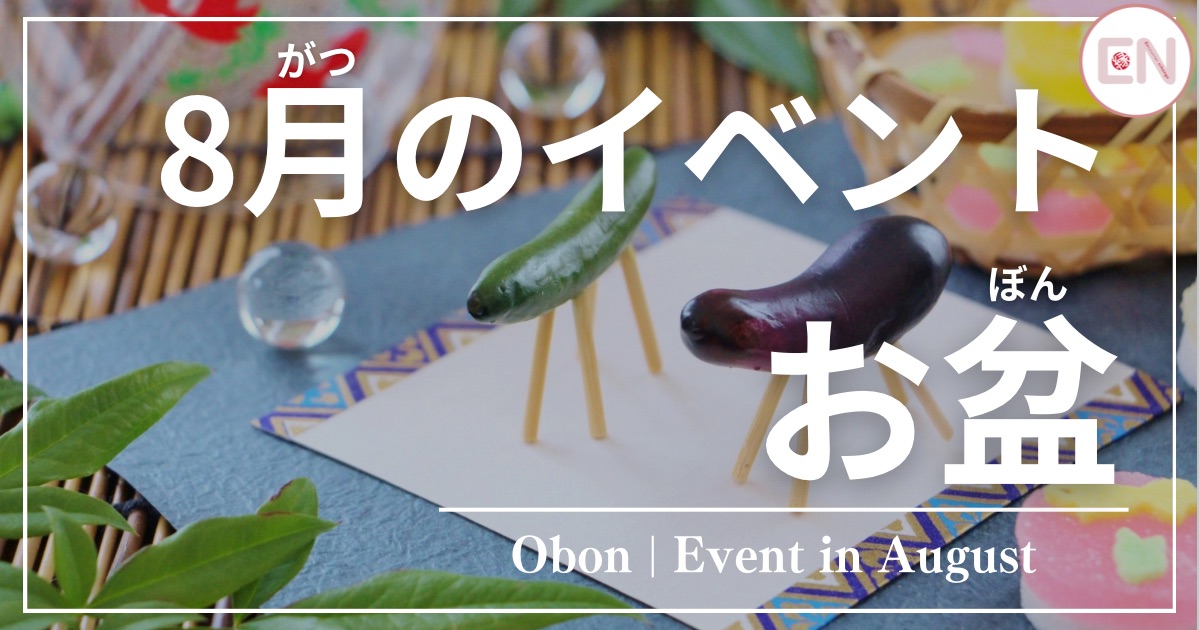
Today, I’ll summarize a classic Japanese summer tradition: Obon!
新しい ことば|New Vocabulary Words
| ことば|Words | よみかた|How to read | いみ|Meaning |
| お盆 | おぼん | Obon festival (summer Buddhist custom to honor ancestors) |
| 亡くなる | なくなる | to pass away |
| 時期 | じき | season, period |
| 帰省(する) | きせい(する) | (to) go back to one’s hometown, family home |
| 地元 | じもと | hometown, local area |
| 過ごす | すごす | to spend (time) |
| (お)墓 | (お)ぼん | grave |
| お墓参り | おはかまいり | visiting a grave |
| ご先祖様 | ごせんぞさま | ancestors |
| 夏祭り | なつまつり | summer festival |
| 盆踊り | ぼんおどり | Bon Odori (traditional Japanese summer dance) |
| クラゲ | くらげ | jellyfish |
| 波 | なみ | wave(s) |
| 事故 | じこ | accident |
| 霊 | れい | spirit, ghost |
| 引っ張る | ひっぱる | to pull |
| 置物 | おきもの | ornament, decoration, display object |
| この世 | このよ | this world, the mortal world |
| あの世 | あのよ | the other world, the afterlife |
| 旧暦 | きゅうれき | lunar calendar |
| 旧盆 | きゅうぼん | Old Obon (Obon based on the lunar calendar) |
| 転ぶ | ころぶ | to fall down, to trip |
| 杖 | つえ | Walking stick, cane |
| 供える/お供えする | そなえる/おそなえする | to make an offering (food or flowers to spirits/gods) |
| 仏壇 | ぶつだん | buddhist alter (in a Japanese home) |
お盆って何?|What is Obon?
Read in Easy Japanese
お盆は、亡くなった人の 心が 家に帰ってくる とくべつな日です。
ほとんどの場所では、8月13日から16日までが お盆の日です。
たくさんの日本人は、この時期に 帰省します。
えいご【English Translation】
Obon is a special time when the spirits of our ancestors come back home.
In most areas, Obon takes place from August 13th to 16th.
Many Japanese people go back to their hometowns during this period.
More about Obon
Obon was born from a mix of Japan’s native ancestor worship (sorei shinko) and Buddhist beliefs.
The main purpose of Obon is to welcome the spirits of our deceased family members back home once a year, pray for their peace, and honor their memory.
While the core tradition is the same, the exact customs can vary depending on the region.
If you are curious about how Obon is celebrated in your specific area, try looking it up!
Basically, it spans four days from August 13th to 16th (though this can vary by region).
Since it happens in August, schools are on summer vacation.
Most companies also provide an Obon holiday or summer break, so many working people take time off during this period.
Have you ever seen the Disney movie Coco?

That movie features a celebration of the dead with dancing, which is quite similar in spirit to Japanese ancestor worship!
(Though in Japan, we don’t usually dance like that!)
お盆に何をするの?|What do we do during the Obon holiday?
Read in Easy Japanese
お盆の時期は、地元に戻って 家族と過ごす日本人が多いです。
家でゆっくりしたり、ご先祖様のために「お墓参り」をしたりします。
夏祭りがあるところは、「盆踊り」をしたりもします。
えいご【English Translation】
During the Obon season, many Japanese people return to their hometowns and spend time with their families.
They relax at home, visit graves to honor their ancestors,
and sometimes join in “Bon Odori” (Bon dances) where summer festivals are held.
お墓参り|Visiting family graves
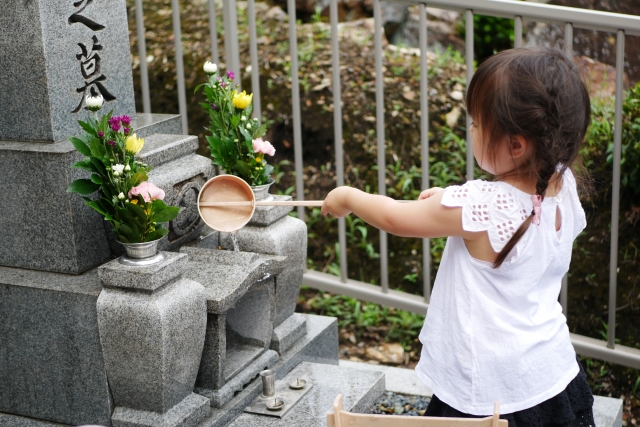
During Obon, people visit their ancestors’ graves to clean them and pray or pay their respects by putting their hands together.
家族で過ごす|Spending Time with Family
While people in countries like the US or Europe often spend Christmas together with family, in Japan, people traditionally spend the New Year and Obon holidays with their families.
盆踊り|Bon Festival Dance
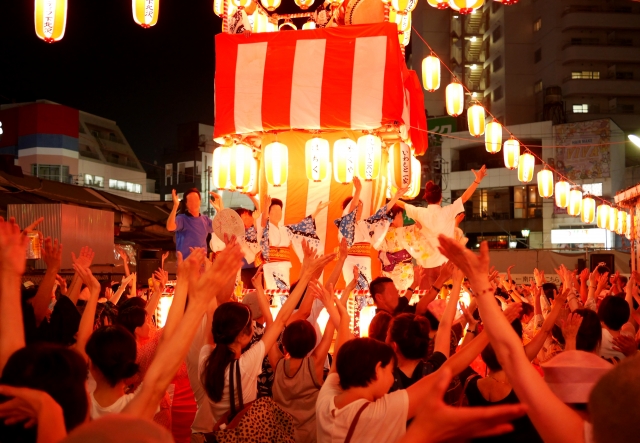
Since Obon is an event to welcome back the deceased, there is a traditional dance performed to welcome them.
迎え盆|Welcoming Obon
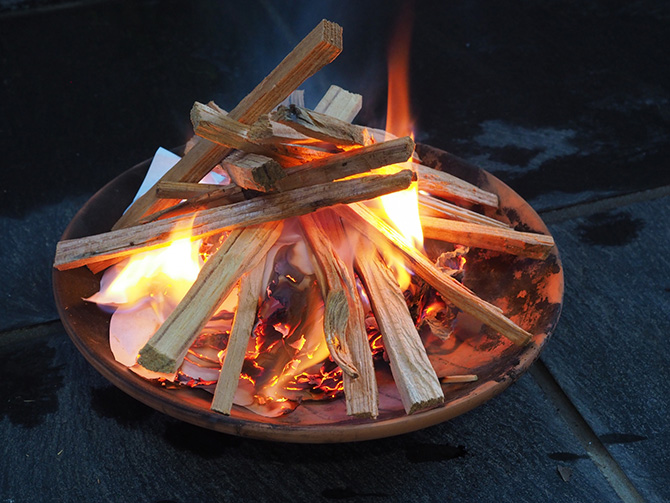
This ritual takes place on the first day of Obon (generally August 13th).
In the evening, people light a welcome fire (mukaebi) and display a cucumber horse (shoryu-uma) to guide the spirits of their ancestors safely back home.
送り盆|Farewell Obon
This ritual takes place on the final day of Obon (generally August 16th).
To bid farewell to the ancestors as they return to the spirit world, people light a send-off fire (okuribi) or display an eggplant cow.
Kyoto’s famous “Gozan Okuribi” (Bonfire festival) is a well-known example.
お盆のタブー|Unspoken Rules during Obon
Read in Easy Japanese
お盆には、いくつかしてはいけないことがあります。お盆のタブーです。
まず1つ目は、海に行かないことです。夏の海は、クラゲも多いし、波が強いので、海の事故が起きやすいです。
これは、夏の海のルールですが、昔の人は「霊に足を引っ張られるから、海に行ってはいけない」と言いました。
2つ目は、家の前にある ナスやきゅうりの 置物を 触らないことです。
あれは、亡くなった人が乗るための乗り物です。
えいご【English Translation】
There are a few things you shouldn’t do during Obon—these are the taboos of Obon.
The first one is not going to the sea. Summer seas have a lot of jellyfish and strong waves, making marine accidents more likely.
While this is just a practical rule for summer beaches, people in the past used to say, “Don’t go into the sea because spirits will pull your feet.”
The second one is not touching the eggplant or cucumber decorations in front of houses.
Those are vehicles for the deceased to ride on!
海に行かないで!|Don’t Go to the Ocean
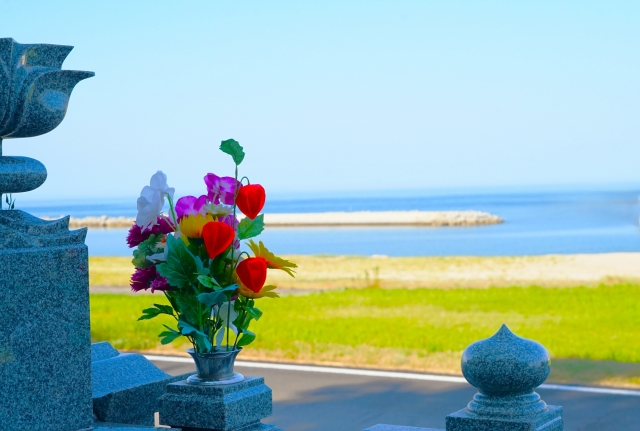
There are both physical and psychological reasons behind the old saying that you shouldn’t swim in the ocean during Obon.
Physical Reasons:
During the Obon season in August, the number of jellyfish in the sea increases, and ocean currents can be dangerous.
Furthermore, because both children and adults are on summer vacation, beaches become very crowded.
With so many people around, it is harder to notice water accidents, making beaches genuinely risky.
Psychological & Cultural Reasons:
Traditionally, Obon is a solemn time to welcome and honor ancestors, not a time for leisure.
There is also an old superstition that the spirits of the dead might pull living people underwater to take them along.
It is often thought that people in the past used these spooky stories about spirits to scare children and prevent real-world swimming accidents!
足のあるナスとキュウリ?|Eggplant and Cucumber with Legs? 🍆🥒
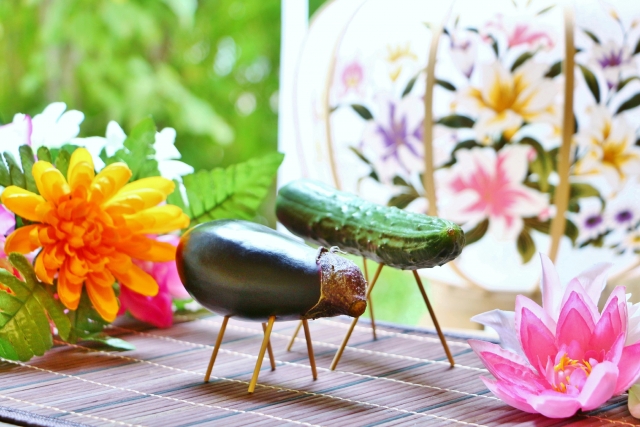
If you look in front of houses or altars during Obon, you might spot strange vegetable sculptures with wooden chopsticks for legs.
These are special vehicles for visiting ancestors.
🥒 The Cucumber Horse (Shoryo-uma):
Represented by a cucumber, this acts as a fast horse so the ancestors can travel from the spirit world back to their homes as quickly as possible.
🍆 The Eggplant Cow (Shoryo-ushi):
Represented by an eggplant, this acts as a slow cow for when the ancestors return to the spirit world, allowing them to take their time carrying offerings back.
Because these vegetables serve as vehicles for the deceased, people never eat them after Obon is over.
Instead, they are traditionally disposed of respectfully, such as by sprinkling them with salt or wrapping them in paper before throwing them away, or sometimes by burning them.
沖縄のお盆|Obon in Okinawa
Read in Easy Japanese
沖縄のお盆は、「旧盆」と呼ばれ、旧暦の7月13日から15日までです。
沖縄は、色々なイベントを旧暦でお祝いします。
旧盆のほかにも、旧正月があります。
えいご【English Translation】
Obon in Okinawa is called “Kyuubon” (Old Obon) and takes place from the 13th to the 15th of July in the lunar calendar.
Okinawa celebrates many events using the lunar calendar. Besides Kyuubon, they also celebrate the Lunar New Year!
野菜じゃなくてサトウキビ🎋|Not Vegetables, but Sugarcane!
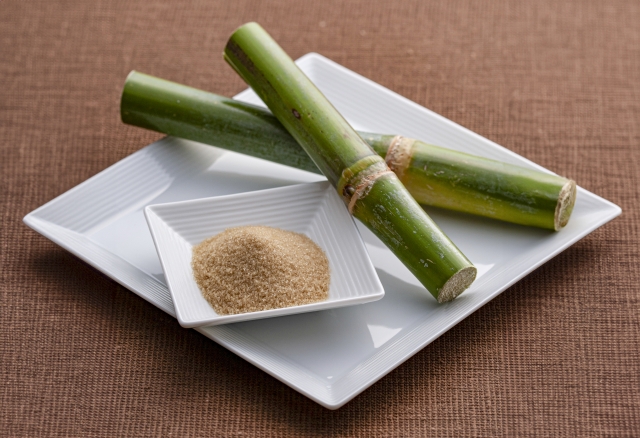
Unlike in mainland Japan where ancestors ride cucumbers or eggplants, spirits in Okinawa don’t use vehicles to travel back and forth.
Instead, they walk all the way back to the spirit world!
To make sure they don’t trip or get exhausted on the long journey, they use a piece of sugarcane as a walking stick.
たくさんのお供物🍉|Generous Offerings
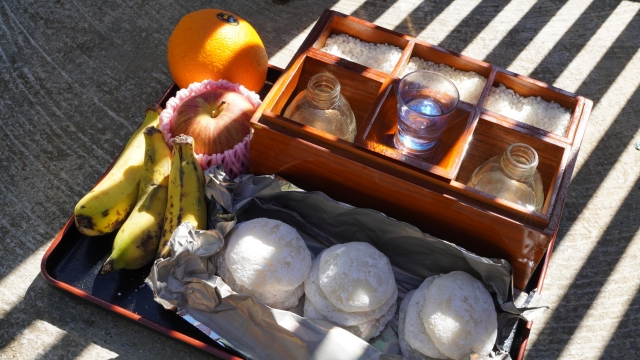
During Obon, Okinawan families make many generous offerings of fruit and food at their family altars (butsudan).
あの世へのお土産🛍️|Souvenirs for the Afterlife
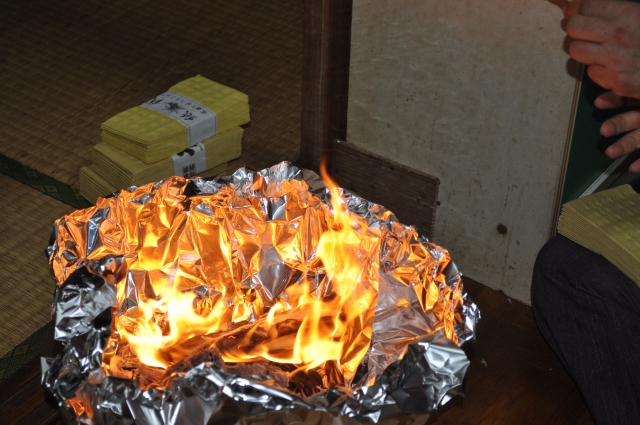
When the ancestors return to the spirit world, families burn the food and fruit that were offered at the altar, along with “uchi-kabi” (special paper money for the afterlife).
It’s as if they are sending the ancestors home with “souvenirs” for their journey back to the other world.
It’s a fascinating tradition that you rarely see outside of Okinawa!
旧盆の動画|Video for Okinawa’s Obon
If you’re interested in learning more about Obon in Okinawa, I found a great video about it—check it out below!
よく使うフレーズ|Useful Phrases
Here are some useful phrases you can use before/during Obon!
🗣️ お盆休みは いつですか?
Obon yasumi wa itsu desu ka?
When is the Obon holiday?
🗣️ お盆休みは どこか行きますか?
Obon yasumi wa dokoka ikimasu ka?
Are you going anywhere for the Obon holiday?
🏠 実家に帰省します。
Jikka ni kisei shimasu.
I’m going back to my hometown.
🪦 お墓参りに行きます。
Ohaka mairi ni ikimasu.
I’m going to visit a grave.
🕺 夏祭りで、盆踊りを踊ります。
Natsu-matsuri de, bon-odori wo odorimasu.
I will dance the bon odori at summer festival.
まとめ|Closing
What are your thoughts on Obon?
Is there anything you’d like to see or experience during Japan’s Obon season?
Are there any similar events in your country where family members gather together like Obon?
Let me know in the comments!
 Google
コメント|Comment